Disease & Prevention
How to Identify and Treat Oak Wilt Before It Kills Your Trees in Austin, TX
Certified Arborist
|
February 15, 2026
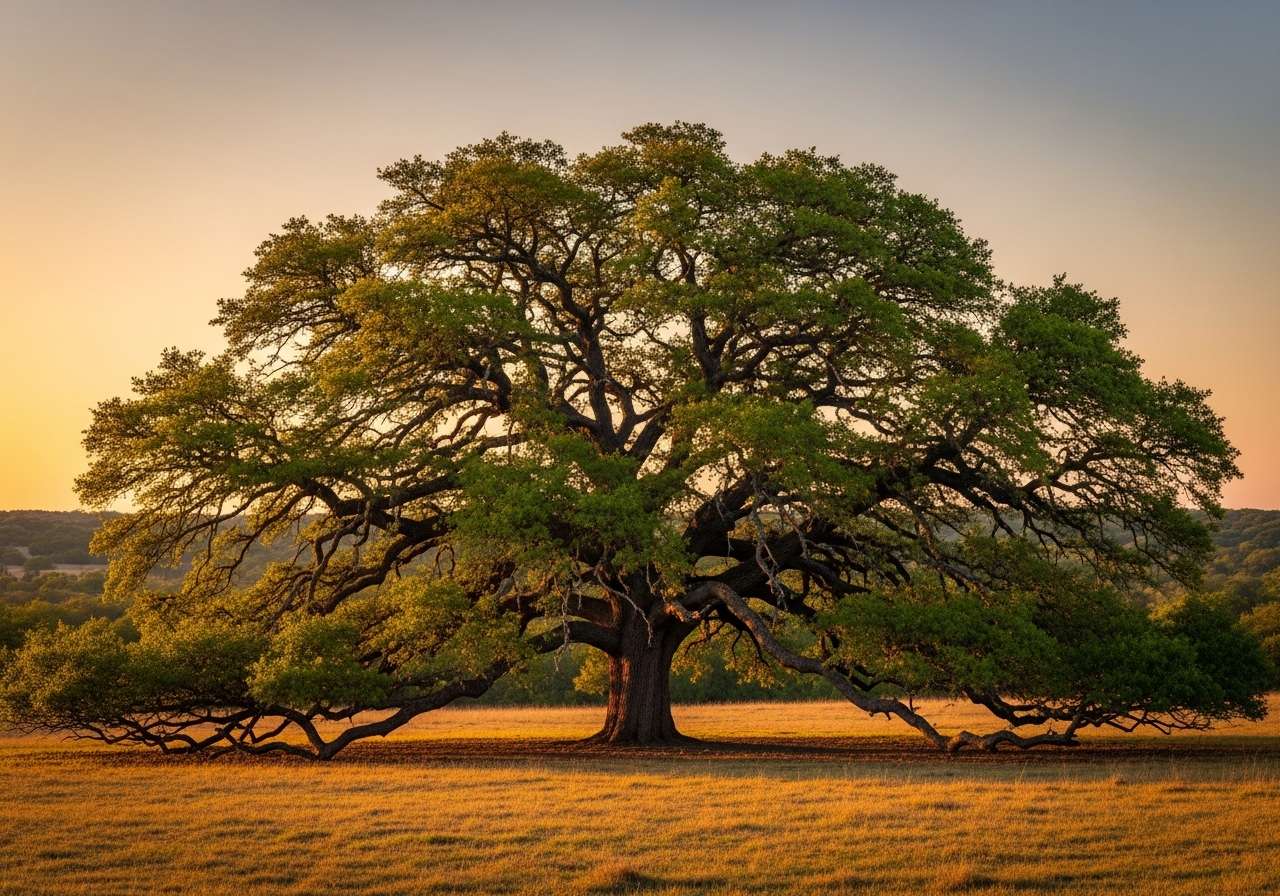
There is a silent epidemic moving through the urban forest of Central Texas. Oak wilt, caused by the aggressive fungus Ceratocystis fagacearum, is one of the deadliest tree diseases in the United States, and Austin is currently ground zero.
This vascular disease essentially "clogs" the water-conducting tissues of oak trees, causing them to wilt and die rapidly. For homeowners, losing a majestic, century-old Heritage Oak isn't just a heartbreaking loss of shade and beauty—it can strip thousands of dollars from your property value. Knowing how to identify the signs and taking proactive steps for Oak Wilt treatment is the only way to save your canopy.
To fight the disease, you have to understand how it moves. Oak wilt spreads in two distinct ways:
The disease presents itself very differently depending on the species of the tree.
Live Oaks are the most common victims in Austin. The telltale, undeniable sign of Oak Wilt in a Live Oak is called veinal necrosis. The veins of the leaf will turn yellow or brown, while the surrounding leaf tissue remains green. If you see leaves dropping by the thousands in late spring or summer with this specific pattern, you have an emergency on your hands.
Red Oaks (including Spanish Oaks, Blackjack Oaks, and Shumard Oaks) are highly susceptible and usually die within 2 to 4 weeks of infection. They do not show veinal necrosis. Instead, their leaves will rapidly turn bronze, red, or brown—looking like autumn in the middle of July—and stay attached to the tree while it dies.
Oak wilt moves fast. Our Texas Oak Wilt Qualified Arborists provide rapid emergency testing and Alamo® fungicide treatments to halt the spread.
Call (512) 641-1237 for an InspectionBecause beetles carry the disease to fresh wounds, the City of Austin and the Texas A&M Forest Service strictly advise against pruning oak trees during the high-risk season.
"Do NOT prune your Oak trees between February 1st and June 30th. This is when the fungal mats are active and the beetles are flying."
If emergency tree pruning is absolutely necessary due to storm damage or a safety hazard, every single cut must be painted immediately (within 10 minutes) with a commercial tree wound dressing or latex paint. This blocks the scent of the sap and prevents the beetle from landing.
If your tree is already showing symptoms, the prognosis depends heavily on the species and how quickly you act.
For healthy trees living within 100-150 feet of an infected "disease center," we highly recommend preventative injections to protect them before the root graft transmission reaches them. In severe neighborhood outbreaks, digging a deep trench with a rock saw to physically sever the root connections may be required.
Misdiagnosing Oak Wilt or improperly applying fungicide can result in the loss of your trees. If you notice unusual leaf drop, veinal necrosis, or if your neighbor's trees are suddenly dying, contact Best Quality Tree Lawn Service immediately. Our ISA Certified Arborists are specially trained to diagnose, treat, and manage Oak Wilt across Austin and Central Texas.
Protect your legacy oaks with our preventative injection programs and expert diagnostics.
Schedule Oak Wilt Assessment