Macro-Injection
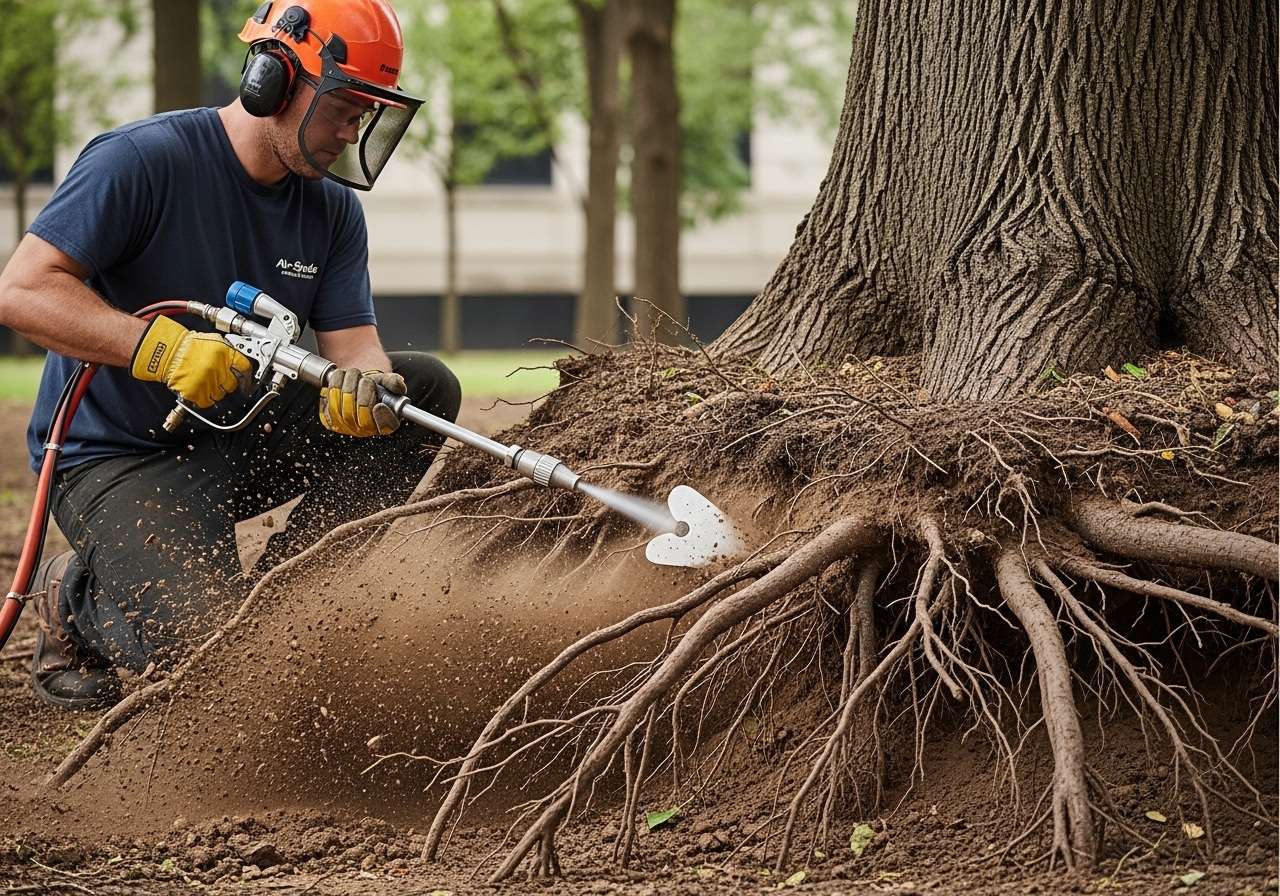
We inject Propiconazole (Alamo®) directly into the root flares. This preventative treatment protects healthy oaks for up to 2 years.
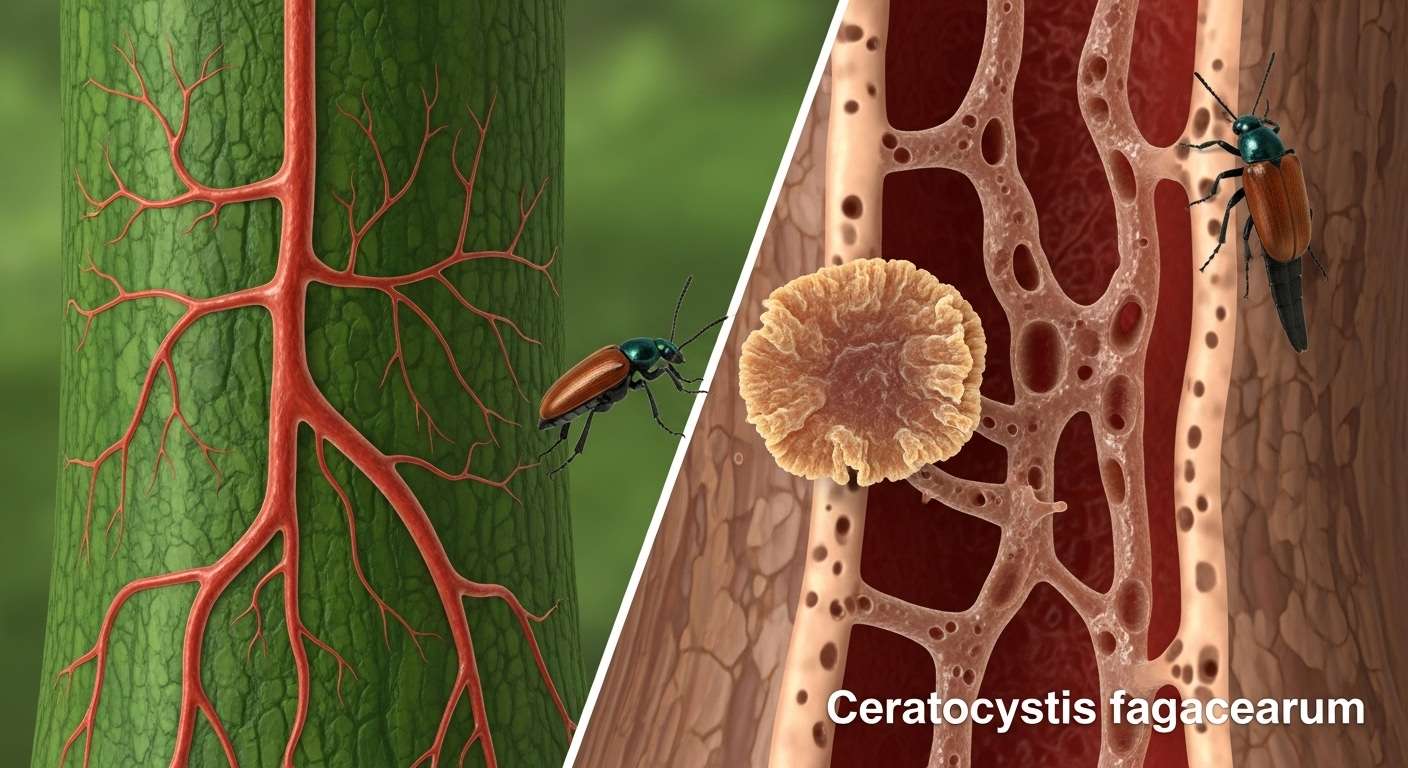
Protect your legacy oaks. We provide certified macro-injections, containment trenching, and emergency pruning to stop the spread of Ceratocystis fagacearum.
Oak Wilt is an aggressive fungal disease that clogs the water-conducting vessels of the tree. It spreads in two ways: above ground via sap-feeding beetles (Nitidulid) and below ground through interconnected root grafts. Without treatment, Red Oaks die in weeks, and Live Oaks decline rapidly.
Live Oaks often share a root system. If your neighbor's tree is infected, yours is at risk. Trenching is the only way to physically break this underground connection.
Early detection is vital. Look for these specific distress signals in Live Oaks and Red Oaks.
The classic Live Oak symptom: Leaves turn yellow or brown along the center vein while edges stay green.
A tree that sheds its canopy of green or half-brown leaves suddenly in Spring/Summer needs immediate testing.
Red Oaks don't show veins; they turn bronze/red rapidly from the top down and die within weeks.
We inject Propiconazole (Alamo®) directly into the root flares. This preventative treatment protects healthy oaks for up to 2 years.
To stop underground spread, we use a rock saw to cut a 4-5ft deep trench, severing root connections between infected and healthy trees.
Dead Red Oaks produce "fungal mats" that attract beetles. We remove and chip these trees immediately to stop overland transmission.
We carefully dig around the base to expose the root flares (uptake zone).
Small, precise holes are drilled, and injection tees are inserted.
The fungicide reservoir is pressurized, forcing medicine into the xylem.
We remove gear, replace soil, and the tree heals over the drill sites.
To prevent infection, adhere strictly to the safe pruning windows.
DO NOT PRUNE OAKS. Beetles are active. Emergency cuts only (paint immediately).
Best time for maintenance. We still paint all wounds as a standard precaution.
Help the treatment work faster.
Water the tree deeply 24 hours before our arrival. Hydrated trees take up the medicine much faster.
Remove any rocks, heavy brush, or pots from the base of the trunk so we can excavate the root flare.
Keep pets indoors during the drilling and pressurization process for their safety.
Prevention is an investment. Removal is a cost.
On-site diagnosis by an Oak Wilt Qualified specialist. Credited if work is booked.
Per diameter inch (DBH). Includes macro-injection of Alamo®.
Rock saw pricing varies by linear footage, rock depth, and access.
*Neighborhood group rates available to lower costs.
Treating Oak Wilt requires state-level qualification. We adhere to the protocols set by the Texas A&M Forest Service to ensure legal and effective treatment.
Preventative injections typically provide protection for 18 to 24 months. We recommend a re-treatment cycle every 2 years for high-value trees in infected areas.
Fresh sap attracts the Nitidulid beetle, which carries the fungus spores. Painting the cut immediately masks the scent and creates a physical barrier, preventing the beetle from infecting the tree.
It depends. If a Live Oak has less than 20% canopy loss, therapeutic injection may suppress the symptoms and save the tree. Red Oaks, however, usually die too quickly to be saved once infected.