Deep Root Fertilization
We inject a custom blend of organic nutrients directly into the root zone under high pressure, aerating the soil while feeding the tree.
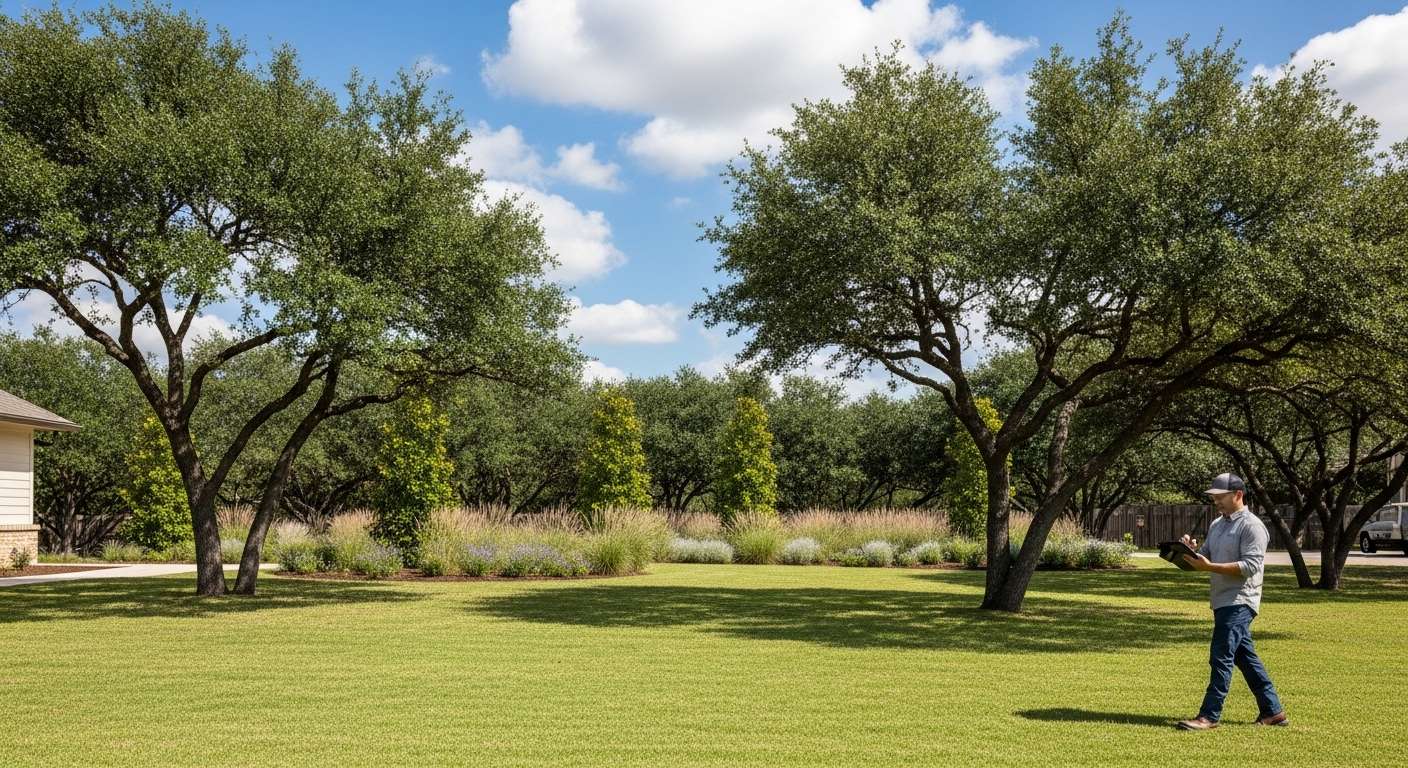
Trees are a lifetime investment. Our proactive health care plans—including deep root feeding, pest monitoring, and seasonal pruning—ensure your landscape thrives in the harsh Texas climate.
Many homeowners wait until a branch dies to call an arborist. By then, it may be too late. Preventative maintenance is the key to longevity. We focus on the "whole tree"—from the microscopic fungal life in the soil to the structural integrity of the upper canopy.
Routine monitoring allows us to spot Oak Wilt, bores, and root rot *before* they become fatal. A small treatment today prevents a costly removal tomorrow.
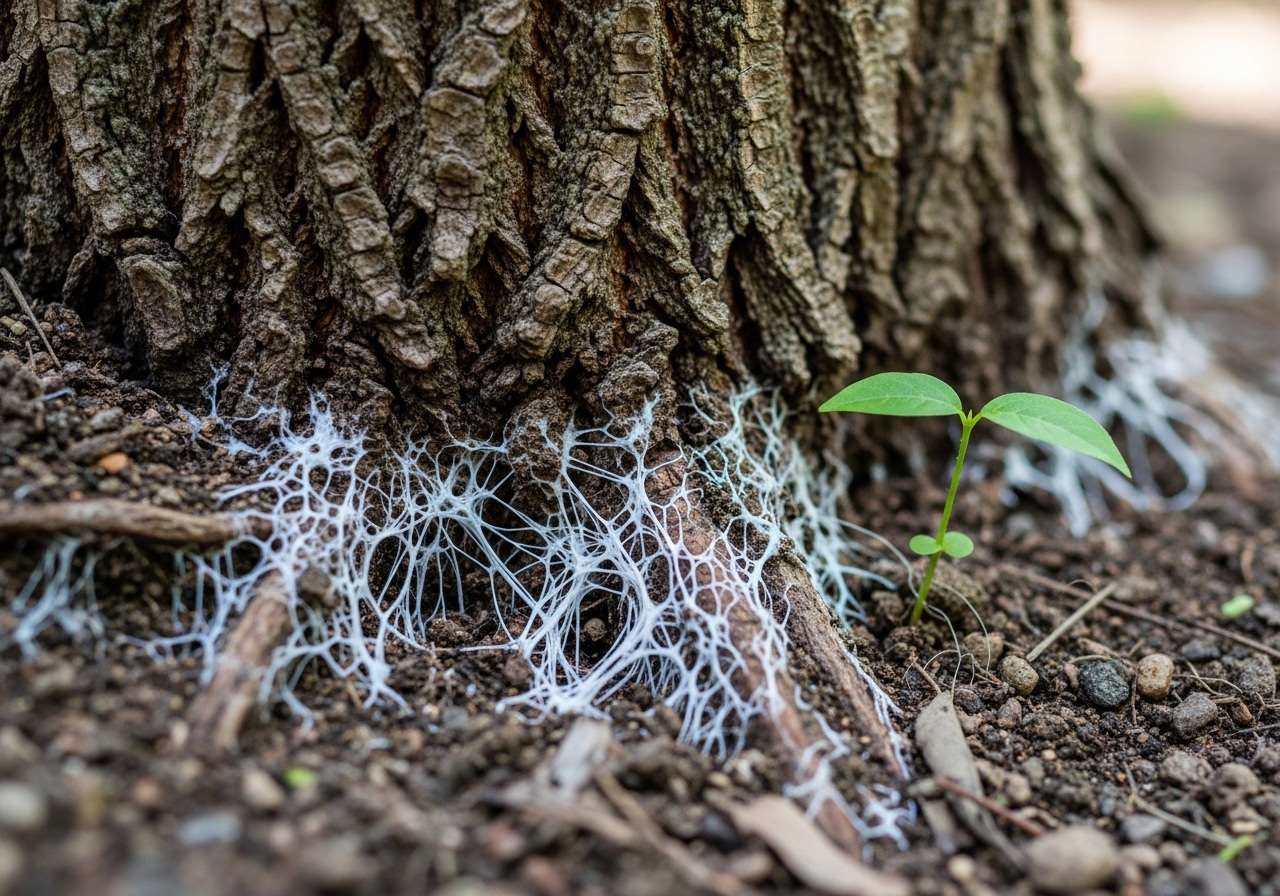
Look closely at your landscape. These subtle clues indicate your tree is under stress.
Yellowing leaves with green veins often mean a nutrient deficiency (iron or manganese) in our alkaline soil.
When the very tips of branches turn brittle and die, it usually signals root stress or water issues.
Tiny holes in the bark with sawdust (frass) at the base indicate insects are eating your tree from the inside.
Mushrooms growing at the base of the trunk (conks) are a major red flag for internal root decay.
We inject a custom blend of organic nutrients directly into the root zone under high pressure, aerating the soil while feeding the tree.
From Oak Wilt preventative injections to treatments for leaf spot and powdery mildew, we protect your canopy from pathogens.
Urban soil is often compacted and lifeless. We add bio-stimulants and mycorrhizal fungi to rebuild the soil web your trees need.
Fertilization to support new growth. Pest inspection for aphids and caterpillars.
Drought monitoring. Mulch refreshment to retain moisture. Emergency storm checks.
Soil aeration and deep feeding to prepare roots for winter dormancy.
Structural pruning (best done when leaves are gone) and Ball Moss removal.
Austin's limestone and clay soils are tough on trees. We fix the foundation.
Most urban trees suffer from compaction. Construction, foot traffic, and mowing press the air out of the soil, suffocating roots. We use:
Invest in health now to avoid expensive removals later.
Per treatment. Based on trunk diameter (DBH).
Includes 2 fertilizations, 1 inspection, and priority status.
Targeted injections or sprays for specific infestations.
*Final quote provided after onsite assessment.
For most urban trees in Austin, we recommend deep-root fertilization once or twice a year—typically in early spring (to support growth) and late fall (to store energy). Trees in poor soil may need more frequent boosts.
Piling mulch high against the trunk (like a volcano) traps moisture against the bark, leading to rot, fungal issues, and rodent nests. We always pull mulch back to expose the "root flare" for a healthy, donut-shaped application.
It depends on the cause and extent of the damage. If caught early, many trees recover with soil aeration, watering corrections, and nutrient therapy. However, if more than 50% of the canopy is dead, removal is often the safest option.